
Understanding the '14Z 5423' Error: Safety Steps and Next Actions
Published 2026-10-12 | JiWang Data Recovery Technical Team
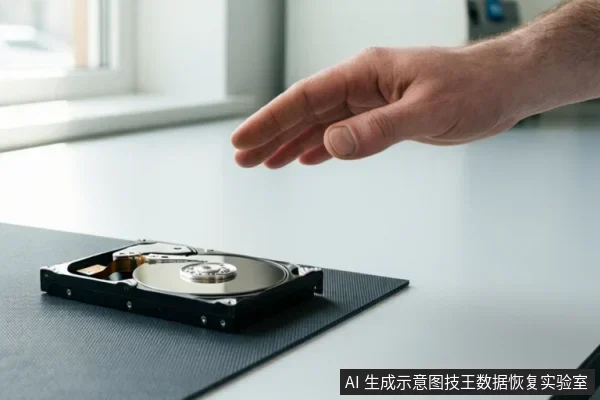
The '14Z 5423' code is treated as a generic error identifier or symptom, not a specific product model with unique specifications. The immediate priority is to stop any write operations, such as formatting, initializing, or installing software, to prevent data loss. Verify if the device is recognized by the system and check for existing backups. If the device is unstable, unrecognized, or prompts for initialization, stop all DIY attempts and seek professional assessment, as continued power-on or software scanning can cause irreversible damage.
What '14Z 5423' Means and Immediate Safety Steps
This code appears in various contexts, including Windows, BIOS, or firmware interfaces, but it does not correspond to a specific hard drive model number or unique hardware specification. It functions as a symptom indicator that the storage device is experiencing a recognition or integrity issue. Because the underlying cause can range from logical file system corruption to physical hardware failure, the safest initial action is to isolate the device from any potential write operations. Do not attempt to repair the file system, run disk check utilities, or format the drive, as these actions modify the data structure and may overwrite recoverable information. The goal is to preserve the current state of the data while determining the severity of the issue.
Diagnostic Branch: Recognized vs. Unrecognized Device
The next step depends on how the device behaves when connected to a computer. If the device is recognized by the BIOS/UEFI and the operating system, but appears as RAW, Unknown, or unallocated, it indicates a logical file system issue. In this scenario, the physical media may be intact, but the directory structure is corrupted. If the device is not recognized at all, or if it appears and disappears intermittently, it suggests a more severe issue, potentially involving physical damage, firmware errors, or connection problems. In both cases, the user should avoid repeated power cycles or aggressive software scanning, as these actions can exacerbate the problem. The distinction between a stable but unreadable drive and an unstable or invisible drive is critical for determining the appropriate recovery path.
Risk Assessment: Why Continued Power-On is Dangerous
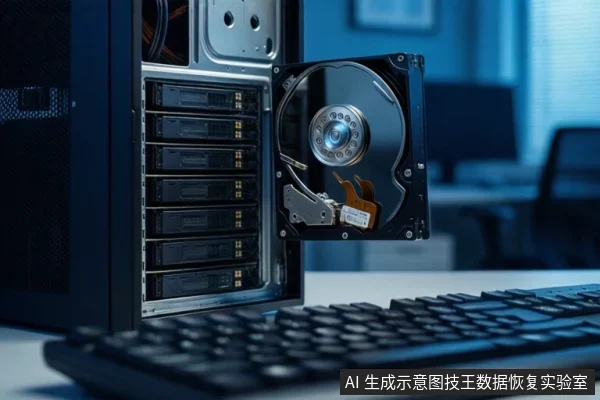
Continuing to power on a storage device that is exhibiting error codes or recognition issues poses a significant risk to data integrity. If the device is a mechanical hard drive, repeated spin-ups and spin-downs can stress the motor and head assembly, potentially leading to physical damage. If the device is a solid-state drive, continued operation on an unstable device risks further data alteration or physical degradation. In either case, the act of attempting to read or repair the device can alter the data state. The risk is not just in the failure to recover data, but in the active destruction of data that might otherwise be recoverable. Therefore, the principle of 'read-only' or 'no-write' must be strictly adhered to until the device's status is fully assessed by a professional.
Next Steps: Verification and Professional Consultation
Before seeking professional help, users should verify a few key pieces of information to provide accurate context. First, confirm the exact error message and where it appears (Windows, BIOS, or firmware). Second, note the device's behavior: does it make any sounds, does the LED blink, or does it appear in the device manager? Third, check if any backups exist. If the device is critical and no backup exists, the safest course of action is to stop all user-level interventions and consult a professional data recovery service. Jiwang Data Recovery Lab can assess the device's condition and recommend the most appropriate recovery method based on the specific symptoms and device type. Do not attempt to disassemble the device or perform physical repairs, as this will void any possibility of professional recovery and likely result in permanent data loss.
Frequently Asked Questions
What does the '14Z 5423' error code mean?
The '14Z 5423' code is a generic error identifier indicating a recognition or integrity issue with the storage device, not a specific hardware model number.
Should I format the drive if it shows as RAW or Unknown?
No, formatting modifies the data structure and may overwrite recoverable information. Stop all write operations immediately to preserve the current state of the data.
Is it safe to run disk check utilities or repair tools?
It is not safe to run disk check utilities or repair tools on an unstable device, as these actions can exacerbate the problem and cause irreversible damage. Seek professional assessment instead.