
X45VD Storage Device Not Recognized: Immediate Safety Steps and Triage
Published 2026-09-28 | JiWang Data Recovery Technical Team
Direct Answer and Immediate Action
When the x45vd storage device fails to be recognized by your computer, the immediate priority is to protect the original data by stopping all power attempts. Because the exact internal media type of the 'x45vd' identifier is not verified—it could be a high-density mechanical hard drive, a multi-channel SSD, or an embedded storage module—the recovery path depends entirely on the physical symptoms you observe. If the device makes clicking noises or gets unusually hot, disconnect it immediately to prevent permanent damage. If it is silent but unresponsive, do not run disk scanning software, as this can trigger background garbage collection commands on SSDs or worsen head crashes on HDDs. The correct next step is to preserve the current state and seek professional read-only imaging.
Understanding the 'x45vd' Identifier Ambiguity
The term 'x45vd' does not correspond to a single, universally standardized consumer product model with known specifications. In data recovery diagnostics, such alphanumeric identifiers often refer to specific internal components, OEM-partitioned drives, or proprietary storage modules used in specialized equipment. This ambiguity creates a significant risk for standard troubleshooting because the failure mechanisms for different media types are fundamentally opposed. For instance, a logical error in a mechanical drive might be resolved by simple file system repair, whereas the same logical corruption in an SSD might be irreversible due to background garbage collection processes. Without knowing whether the x45vd module uses NAND flash memory or magnetic platters, any assumption about its behavior is speculative. Therefore, the diagnostic process must rely on observable physical evidence rather than software-based assumptions.
Symptom-Based Triage Matrix
To determine the appropriate safety steps, you must categorize the device's response to connection attempts. The following matrix outlines how to interpret common symptoms based on the plan claims regarding unknown media types:
| Observed Symptom | Probable Media Type Risk | Immediate Action Required |
|---|---|---|
| Clicking, grinding, or repetitive buzzing sounds | Mechanical Hard Drive (HDD) - Head Crash or Motor Failure | Disconnect power immediately. Do not attempt to rescan. |
| Device becomes hot to the touch within minutes | SSD or Controller Short Circuit | Disconnect power immediately to prevent component burnout. |
| Silent, no lights, no recognition in BIOS/OS | Unknown (HDD or SSD) - Power/Controller Failure | Stop power cycling. Seek professional hardware diagnostics. |
| System prompts to Format or Initialize | Logical Corruption or File System Damage | Do NOT confirm. This destroys file system structures. |
| Intermittent connection (connects then drops) | Unstable Connection or Failing Media | Stop attempts. Data integrity is compromised during drops. |
Critical Stop Conditions
Do not open or disassemble the drive;keep the original media protected and seek professional assessment.keep the original media protected and seek professional assessment.
Why Software Scanning Fails Here
Many users attempt to resolve unrecognized devices by downloading third-party data recovery software. However, this approach is dangerous when the media type is unknown. If the x45vd module is an SSD, running deep scan tools can trigger aggressive garbage collection or background management commands, which permanently erase deleted or inaccessible blocks. If the module is a mechanical drive with bad sectors, software scanners often retry reading failed sectors repeatedly, generating excessive heat and stress that can cause the drive to seize completely. Furthermore, software cannot bypass hardware-level failures such as a dead PCB or damaged firmware. Professional recovery involves physical diagnostics to determine media type and creating a read-only image in a controlled environment, ensuring that no write operations occur during the extraction process.
Next Steps for Data Recovery
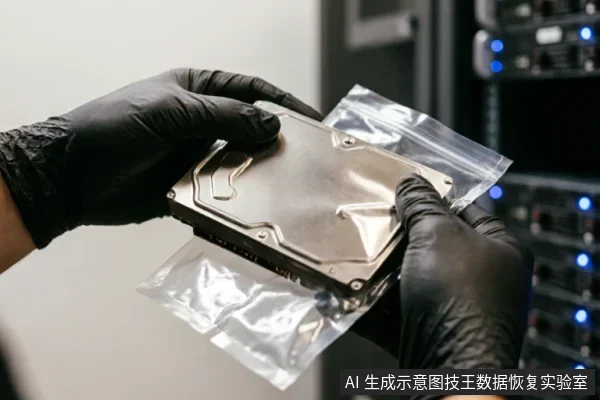
Given the uncertainty surrounding the x45vd identifier, the only safe path forward is professional intervention. You should cease all DIY attempts and prepare the device for transport. Ensure the device is stored in an anti-static bag if available, and avoid exposing it to extreme temperatures or moisture. When contacting a recovery service, provide them with the exact identifier 'x45vd' along with the observed symptoms (e.g., silent, clicking, or hot). This information allows technicians to select the appropriate cleanroom tools and hardware adapters required for the specific internal architecture. Remember that the success of recovery depends on preserving the original state of the media until it can be imaged under controlled conditions.
Frequently Asked Questions
Can I use data recovery software to scan the x45vd device myself?
No. Because the internal media type of 'x45vd' is unknown, using software is highly risky. If it is an SSD, software scans may trigger background garbage collection commands that permanently erase data. If it is a mechanical drive, software retries can cause head crashes. Professional recovery involves physical diagnostics to determine media type and creating a read-only image in a controlled environment, avoiding any write operations.
What should I do if the computer asks me to format the x45vd drive?
Do not confirm. This destroys file system structures and reduces recoverability. Formatting rewrites the partition table and file allocation tables, making it significantly harder for professionals to reconstruct the original file hierarchy. Disconnect the device immediately and seek professional help instead of attempting to fix the prompt yourself.
Is it safe to try different USB cables or ports?
You may try one alternative cable or port only if the device is silent and cool. However, if the device shows any signs of instability, heat, or noise, do not swap connections. Repeatedly plugging and unplugging a failing device can exacerbate electrical faults or mechanical wear. If the first connection attempt yields no recognition and no physical anomalies, stop and seek professional assessment rather than continuing to test various ports.