
Why iPhone 5 Data Recovery Costs Vary by Failure Type
Published 2026-09-11 | JiWang Data Recovery Technical Team
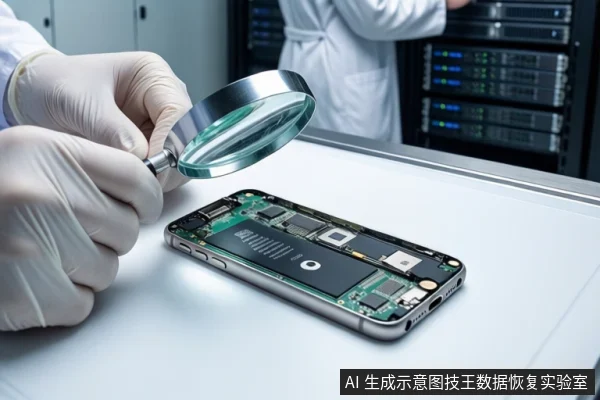
The cost of recovering data from an iPhone 5 varies significantly because the device does not use a standard removable hard drive. Instead, it relies on NAND flash memory soldered directly to the motherboard, protected by hardware encryption. This architecture means that recovery is not a simple file scan; it often requires complex hardware intervention. Costs are low for logical errors where the device still boots, but they rise sharply for physical damage that necessitates chip-level extraction and decryption key retrieval.
Understanding iPhone 5 Storage Architecture
Unlike external hard drives or modern SSDs, the iPhone 5 stores data on eMMC NAND flash chips soldered to the PCB. This design has two major implications for recovery costs:
- Non-Removable Media: You cannot simply unplug the storage and connect it to a computer. If the device fails, technicians must work on the board itself.
- Hardware Encryption: iOS binds data to a unique hardware key (UID Key) on the motherboard. Even if the flash chip is read, the data remains encrypted without this key. This makes recovery a cryptographic and hardware engineering task, not just a data retrieval task.
Key Cost Drivers: Logical vs. Physical Failure
The primary factor determining price is the nature of the failure. Technicians categorize issues into two main tiers, each with different labor and equipment requirements.
1. Logical Failures (Lower Cost)
Scenario: The device powers on, but the system crashes, files are deleted, or the screen is unresponsive while the hardware is intact.
Why it costs less: In these cases, the encryption key is still accessible via the normal boot process. Recovery may involve logical extraction or firmware repair. While still specialized, it does not require the high-risk micro-soldering or chip-off procedures associated with physical damage.
2. Physical Failures (Higher Cost)
Scenario: The device does not power on due to water damage, drop damage, or a cracked motherboard.
Why it costs more: This requires board-level repair or chip-level extraction. Technicians must use microscopes and precision soldering to remove the NAND flash and encryption chips. They then use specialized programmers to read the raw data and attempt to retrieve the UID key. This process is labor-intensive, requires expensive equipment, and carries a higher risk of damaging the pins during desoldering, which drives up the price.

Why DIY Software Fails on iPhone 5
Many users attempt to use third-party "one-click" recovery software. This is ineffective for two reasons:
- Encryption Barrier: Consumer software cannot bypass iOS hardware encryption on a locked or non-booting device. It cannot access the UID key required to decrypt the data.
- Hardware Limitation: If the device is physically damaged, no software can communicate with the storage chip. The data is trapped in the hardware until physical extraction occurs.
Attempting to use such tools may trigger security locks or waste time without recovering any data. It does not replace the need for professional hardware intervention.
Red Flags in Service Providers
When seeking recovery services, be wary of providers who offer "100% success" guarantees or extremely low prices without a physical inspection. Professional recovery is a diagnostic process. A legitimate provider, such as a professional data recovery lab, will assess the device first to determine the fault type and provide a quote based on the specific technical requirements. Low-ball quotes often indicate a lack of proper equipment or expertise, which can lead to further data loss or privacy risks.
Frequently Asked Questions
Why is iPhone 5 data recovery more expensive than external hard drive recovery?
iPhone 5 storage is soldered to the motherboard and protected by hardware encryption. Recovery often requires chip-level extraction and key retrieval, which involves high-precision micro-soldering and specialized equipment, unlike the simple connection of an external drive.
Can I use third-party software to recover data from a locked iPhone 5?
No. Third-party software cannot bypass iOS hardware encryption on a locked or non-booting device. It cannot access the UID key required to decrypt the data, making it ineffective for most serious recovery scenarios.
What should I do if my iPhone 5 is not turning on and I need the data?
Do not attempt to charge or repair it yourself, as this may cause short circuits. Contact a professional data recovery service for a physical inspection to determine if board-level repair or chip-level extraction is required.