
yR1t Storage Device Repair Methods: Pre-Diagnostic Media Status Assessment and Data Protection
Published 2026-09-24 | JiWang Data Recovery Technical Team
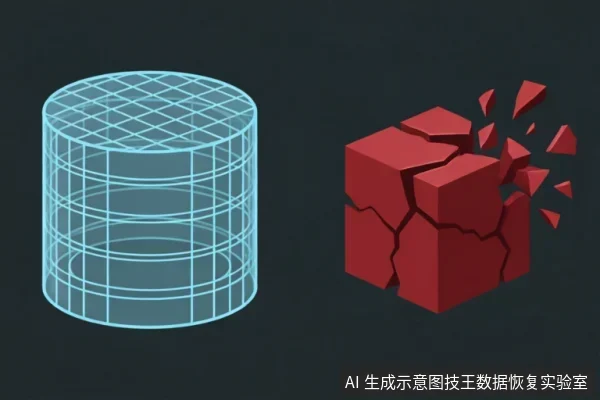
For the yR1t storage device, there is no universal "repair" command that applies to all failure scenarios. The correct approach depends entirely on the physical state of the drive at the moment of failure. If the device emits abnormal mechanical noises (clicking/grinding), drops off intermittently, or shows zero capacity, you must immediately cut power to prevent irreversible physical damage. If the drive is stable but corrupted, do not write recovered data back to it;instead, create a read-only image first. True recovery focuses on extracting data via professional means, not forcing the hardware to become writable again through software tools.
Direct Conclusion and Disposal Advice
The primary objective when facing yR1t storage issues is data preservation, not immediate hardware restoration. Standard consumer-grade repair tools are often designed to fix file system structures, which can inadvertently overwrite recoverable data clusters. Therefore, the first step in any repair methodology is a strict assessment of the media's current health. Users should avoid formatting, initializing, or writing any new files to the affected drive. The operational sequence must prioritize creating a bit-for-bit image of the original media before attempting any logical repairs or data extraction. This ensures that the source remains untouched while the image serves as the working copy for recovery operations.
Concept Definition: Media Types and Failure Mechanisms
To understand the appropriate repair path, one must distinguish between the types of storage media involved. While the term "hard drive" is commonly used, modern devices like the yR1t may utilize Solid State Drives (SSDs) or embedded MultiMediaCard (eMMC) technology. These media types have fundamentally different failure mechanisms compared to traditional Hard Disk Drives (HDDs). HDDs rely on moving mechanical parts, making them susceptible to physical shock and wear. In contrast, SSDs and eMMC units rely on flash memory cells and controllers, where failures often stem from firmware corruption, controller lockups, or NAND cell degradation. Recognizing this distinction is crucial because diagnostic procedures for mechanical failures are entirely inappropriate for electronic or logical failures in solid-state media. Misapplying mechanical diagnostics can lead to unnecessary power cycling, which exacerbates electronic faults.
Common Abnormal Causes Analysis
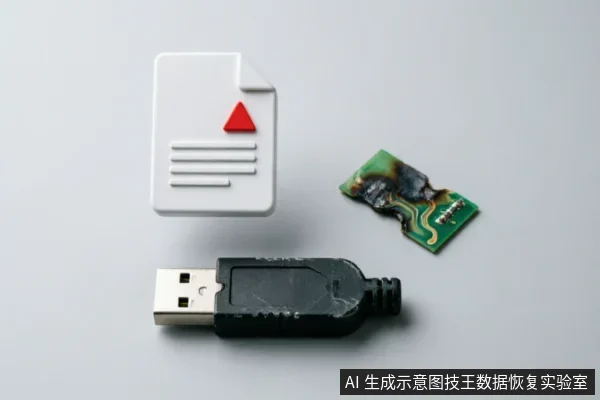
Storage anomalies typically manifest in three distinct categories: logical errors, interface connectivity issues, and physical hardware failures. Logical errors include file system corruption, lost partitions, or inaccessible volumes due to improper ejection. These issues usually allow the device to be recognized by the operating system, albeit with restricted access. Interface issues involve intermittent connection drops, often caused by faulty cables, ports, or power supply instability. Physical failures encompass component damage, such as burnt circuit boards or damaged connectors. It is essential to categorize the symptom accurately. For instance, if the device is not detected at all, the issue may lie in the connection chain rather than the storage media itself. Conversely, if the device is detected but files are missing, the problem is likely logical or related to specific data cluster corruption.
Data Protection Principles: Original Media Priority
The cornerstone of successful data recovery is the principle of original media priority. Once data is deemed critical, the original storage device becomes a fragile evidence source. Any write operation, including installing recovery software onto the affected drive, creating temporary files, or even running certain diagnostic utilities that log activity, poses a risk of overwriting valuable data. The recommended procedure involves connecting the yR1t device to a clean, healthy computer using a reliable external enclosure or direct SATA/USB connection. All recovery efforts must be directed toward copying data to a separate, sufficient storage medium. If the device exhibits signs of physical distress, such as unusual sounds or extreme heat, continuous power should be avoided to prevent further degradation of the internal components.
Recovery Judgment Boundaries
Determining whether self-repair is feasible requires evaluating the severity of the fault. Minor logical errors, such as incorrect partition tables or simple file system inconsistencies, can sometimes be resolved using built-in operating system tools or reputable disk management software. However, these tools should only be used after confirming that the underlying media is physically sound. If the device fails to initialize, displays incorrect capacity, or experiences frequent disconnections during data transfer, these are strong indicators of deeper hardware or firmware issues. In such cases, standard repair methods are ineffective and potentially harmful. The boundary for user intervention ends where physical or complex logical damage begins. Beyond this point, professional laboratory services utilizing specialized hardware and controlled environments are necessary to attempt data extraction.
Backup vs. Recovery Distinction
Understanding the difference between backup and recovery is vital for setting realistic expectations. Backup is a proactive measure performed when the storage device is functioning correctly, ensuring a recent copy of data exists elsewhere. Recovery is a reactive process undertaken when data has been lost, deleted, or rendered inaccessible due to failure. Recovery is inherently more complex, time-consuming, and costly than backup. It involves reconstructing data from fragmented sectors, bypassing file system barriers, and dealing with potential physical limitations. Attempting to "repair" a failing drive to make it usable again is not the same as recovering data. A repaired drive may still be unstable and prone to future failure. Therefore, the goal should always be to secure the data first, regardless of the drive's subsequent usability.
| Symptom Category | Typical Indicators | Recommended Action | Risk Level |
|---|---|---|---|
| Logical Error | Drive detected, files missing, format prompts | Create read-only image, then scan image | Low (if handled carefully) |
| Interface Issue | Intermittent detection, cable/port faults | Check connections, try different port/cable | Medium |
| Physical Damage | No detection, clicking sounds, zero capacity | Cut power, seek professional lab service | High (Data Loss Risk) |
Frequently Asked Questions
What should I do if my yR1t drive makes clicking noises?
If the device emits abnormal mechanical noises (clicking/grinding), drops off intermittently, or shows zero capacity, you must immediately cut power to prevent irreversible physical damage. Do not attempt to run scanning software or repeatedly reconnect the drive, as this can cause further mechanical wear or electronic stress. The noise indicates a potential hardware malfunction that requires professional assessment in a controlled environment.
Is remote data recovery suitable for my yR1t drive issue?
Remote data recovery techniques are generally limited to scenarios where the operating system can access the logical layer of the storage device. If the yR1t drive suffers from hardware-level recognition failures, such as being completely undetected by the BIOS or OS, remote solutions cannot address the underlying physical or firmware issues. Remote recovery is only viable when the drive is stable and accessible, allowing for secure network-based extraction of logical data.
Can I use DiskGenius bad sector repair on my yR1t drive?
DiskGenius's official documentation states that its bad sector repair function may destroy data in related areas and is not intended as a data recovery method. Using such tools on a drive with suspected physical defects or significant data loss can permanently erase recoverable information. Instead of repairing sectors, the focus should be on imaging the drive to preserve data integrity before any structural modifications are considered.